The one-line note
A single sentence after each walk. Quick enough to keep up, honest enough to be useful later.
We treat progress as a quiet, personal record of how a routine is settling in. It is yours to keep, and there is never a number you are expected to hit.
Instead of chasing statistics, we encourage a short reflection after a walk: how it felt to head out, what you noticed, and whether the timing worked. Over weeks, these small notes reveal patterns that data alone would miss.
This is a self-directed practice. We offer the prompts and the structure; what you record, and whether you share any of it, is entirely up to you.
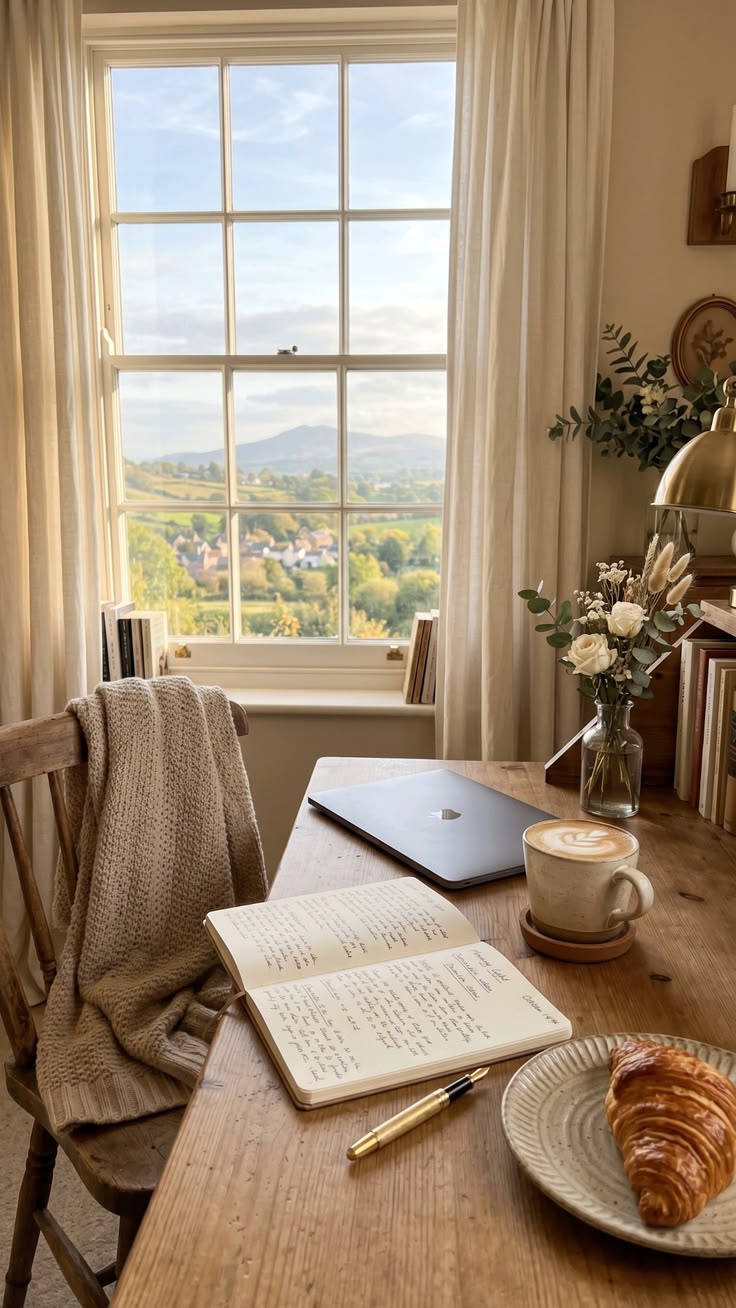
Pick whichever feels least like a chore. The best method is the one you will actually return to.
A single sentence after each walk. Quick enough to keep up, honest enough to be useful later.
A few minutes each week to skim your notes and decide what to keep or gently adjust.
An optional conversation with us to talk through what you are noticing, if a second perspective helps.
None of these are required. They are simply prompts that often make a reflection more meaningful.
What made it easier or harder to head out today?
Something you noticed along the way — a street, the weather, a thought.
Did the slot in your day work, or would another moment suit better?
One small thing you might keep the same or change tomorrow.
These are personal, not performance targets. Each one is simply a sign your routine is becoming familiar.
A week where heading out felt like less of a decision than it used to.
A moment when your chosen anchor reminded you to walk without any prompting.
Choosing to skip a walk and noting why, without it derailing the whole routine.
“Progress is easier to keep when it is measured in your own words rather than someone else's numbers.” A note we share with most people
We are happy to talk through a simple way to keep notes that suits how you think. Reach out whenever you are ready.
Talk it through